Introduction
Flex PCBs are revolutionizing modern electronics with their flexibility and compact design. From consumer gadgets to aerospace, their applications are vast and growing. But creating a successful Flex PCB design is no easy feat. In this article, you will learn the 7 essential factors every designer must consider to ensure your Flex PCB is high-quality, reliable, and efficient.
Understanding Flex PCB Materials
Types of Materials Used in Flex PCBs
Flex PCBs primarily use materials like polyimide and polyester, known for their flexibility and durability. Polyimide is especially favored for its high-temperature resistance and dielectric properties, making it ideal for dynamic applications where repeated flexing is required. These materials help the circuit board maintain its integrity while withstanding physical and environmental stresses.
| Material Type | Applications | Technical Specifications | Considerations |
| Polyimide | Dynamic applications (e.g., wearables, aerospace) | - Dielectric Constant (Dk): 2.5-3.2 @10GHz | - Suitable for frequent bending |
|
| - Glass Transition Temperature (Tg): ~300°C | - Excellent high-temperature performance, ideal for high-heat environments |
|
| - Moisture Absorption: <2% | - Maintains electrical and mechanical performance over time |
| Polyester | Low-cost applications, such as consumer electronics, short-term use PCBs | - Dielectric Constant (Dk): 2.6-3.4 @10GHz | - Higher moisture absorption, suitable for non-humid environments |
|
| - Glass Transition Temperature (Tg): ~120°C | - Not suitable for high-temperature environments, prolonged exposure may degrade performance |
| PTFE (Polytetrafluoroethylene) | High-frequency, high-precision applications (e.g., RF, communication devices) | - Dielectric Constant (Dk): 2.0-2.2 @10GHz | - Excellent chemical resistance and thermal stability |
|
| - Glass Transition Temperature (Tg): ~300°C | - Expensive, suitable for high-frequency applications requiring signal integrity |
Importance of Material Durability
The durability of the material is paramount for the longevity of the Flex PCB. Polyimide, for example, can endure thousands of bending cycles without losing its insulating properties or mechanical strength. It also offers high resistance to moisture and chemicals, making it suitable for a wide range of environments. Choosing the right material ensures that the Flex PCB can withstand harsh conditions and maintain performance over time.
Factors Affecting Material Selection
When selecting materials for a Flex PCB, key factors such as moisture absorption, thermal resistance, and the dielectric constant (Dk) must be considered. The material’s ability to resist environmental damage, maintain signal integrity, and withstand flexing without cracking are critical for successful design. Understanding these factors will help designers make the best choice for their specific applications.
The Role of Bend Radius in Flex PCB Design
What is Bend Radius and Why It Matters
The bend radius refers to the minimum radius at which a Flex PCB can bend without damaging the copper traces or other components. A smaller bend radius means the PCB can be used in more compact spaces but can also increase the risk of failure if not properly designed. Calculating the right bend radius based on the PCB’s material and layer count ensures the board remains functional even after repeated flexing.
Guidelines for Calculating Bend Radius
According to IPC standards, the bend radius for a Flex PCB should be at least 10 times the thickness of the material for static boards, and 100 times for dynamic boards. This ratio helps prevent undue stress on the PCB and ensures that the design remains durable throughout its lifecycle.
Best Practices for Flex Areas
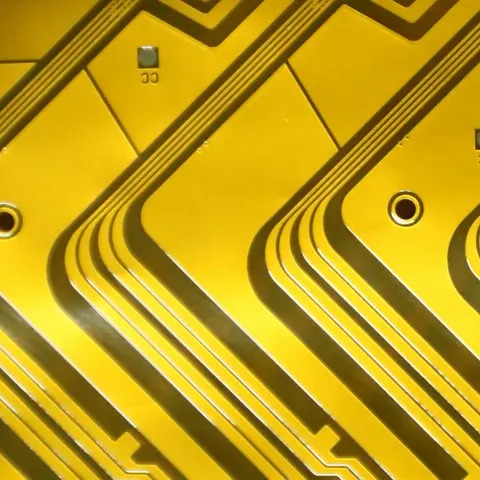
When designing bend areas, it’s crucial to avoid sharp angles, which can lead to cracking. Instead, use gradual curves that evenly distribute stress across the bend. Also, the placement of traces should be perpendicular to the bend axis to minimize strain on the copper layers, thus improving the board’s durability and reliability.
Proper Pattern Orientation and Trace Routing
How to Place Components for Flexibility
The placement of components on a Flex PCB is crucial to ensure both functionality and flexibility. Components should be placed in a way that reduces strain, especially in areas that will undergo bending. By avoiding placing components directly in the bend area and ensuring that they are oriented in a way that minimizes mechanical stress, designers can improve the board’s overall durability.
Routing Strategies for Flexibility and Reliability
Routing traces in a Flex PCB requires careful consideration to prevent failure due to flexing. Traces should ideally be routed in smooth curves instead of sharp angles. Additionally, it's important to stagger layers in multi-layer Flex PCBs to avoid “I-beaming,” a phenomenon where stacked copper traces cause excessive stress and potential failure.
Staggering Layers for Multi-Layer Flex PCBs
In multi-layer Flex PCBs, staggering traces between the top and bottom layers helps reduce stress buildup and prevents trace lifting or breaking. This design technique enhances the board's flexibility and improves signal integrity, ensuring that the Flex PCB can endure the stresses of bending without failure.
The Critical Role of Stiffeners
What are Stiffeners and How Do They Work?
Stiffeners are materials used to add rigidity to specific areas of a Flex PCB, especially where components are mounted or in areas that experience high mechanical stress. They are essential for preventing damage in regions that need to maintain structural integrity, such as connectors and mounting pads. Common materials used for stiffeners include FR4 and polyimide.
Choosing the Right Stiffener Material
The material selected for stiffeners depends on the mechanical and thermal requirements of the Flex PCB. For example, FR4 is commonly used in rigid areas, while polyimide may be used in flexible regions for better thermal and mechanical properties. The choice of material should complement the overall design and ensure the PCB’s long-term performance.
When and Where to Apply Stiffeners
Stiffeners should be applied in areas where components are mounted, where the PCB is subjected to high stress, or where additional mechanical support is required. Proper placement of stiffeners ensures that the PCB maintains its shape during assembly and operation, thus preventing bending-induced damage.
Selecting the Right Flex PCB Stack-Up
Basics of Flex PCB Stack-Up Design
The stack-up refers to the arrangement of the layers of the Flex PCB, including the copper layers, dielectric materials, and any adhesives used. A well-designed stack-up balances flexibility and durability by positioning the flexible layers in the middle of the board, with rigid layers on the outer surfaces to protect the more delicate flex layers.
| Layer Type | Applications | Technical Specifications | Considerations |
| Flexible Layers | Used in dynamic bending and flexible applications, such as wearables, aerospace | - Dielectric Constant (Dk): 2.5-3.2 @10GHz | - Material selection should consider temperature resistance, moisture resistance, and bending performance |
|
| - Glass Transition Temperature (Tg): ~300°C | - Layer count and thickness should meet the required bend radius |
| Rigid Layers | Used in areas requiring mechanical support, such as connector and component mounting points | - Dielectric Constant (Dk): 4.0-4.5 @10GHz | - Rigid layers protect flexible layers from bending damage |
|
| - Glass Transition Temperature (Tg): ~170-200°C | - Material selection should consider matching the Coefficient of Thermal Expansion (CTE) |
| Dielectric Layers | Isolate and support copper layers, ensuring electrical insulation | - Thickness: 0.5-4 mils | - Choose materials with low moisture absorption to prevent electrical performance degradation due to moisture |
|
| - Dielectric Constant (Dk): 2.5-3.5 | - Dielectric layer thickness affects signal speed and electrical performance |
| Adhesive Layers | Used to bond rigid and flexible layers together | - Types: Acrylic adhesives, epoxy adhesives, thermosetting adhesives | - For high-frequency applications, choose adhesive materials with low dielectric constant |
|
| - Strength: High strength, temperature resistance | - Adhesive layers should avoid air bubbles or uneven distribution |
Balancing Flexibility and Durability
When designing the stack-up, it is essential to consider the application and the required bend radius. The number of layers and the thickness of the materials must be optimized to ensure that the Flex PCB can withstand the intended flexing cycles without compromising electrical performance. An optimized stack-up improves the PCB’s overall reliability.
Industry Standards for Stack-Up Configurations
Adhering to industry standards for Flex PCB stack-up configurations ensures that the board will meet the required electrical and mechanical specifications. These standards help designers determine the appropriate layer thickness, material properties, and overall construction of the Flex PCB to ensure its durability and performance in various applications.
Understanding Via-in-Pad Technology
What is Via-in-Pad and Its Advantages?
Via-in-pad technology involves placing vias directly beneath the pads or components on a Flex PCB, allowing for higher-density designs. This technique helps save space and allows for more compact circuit layouts, which is crucial for devices with strict space constraints, such as medical devices and wearables.
Managing Via-in-Pad Challenges
While Via-in-Pad technology offers great benefits, it also introduces challenges, especially with soldering. The via can wick solder paste away from the pad, leading to unreliable connections. To mitigate these issues, it is important to ensure that the via is properly sealed and that the PCB is designed to manage this challenge effectively.
Best Practices for Via-in-Pad Implementation
When using Via-in-Pad technology, following best practices is essential. For instance, using teardrop-shaped vias helps reduce stress concentration and prevent cracking. Proper sealing techniques and ensuring that vias are correctly integrated into the PCB design will enhance the reliability and performance of the Flex PCB. The following table outlines best practices, applications, technical specifications, and considerations for Via-in-Pad implementation.
| Best Practice | Applications | Technical Specifications | Considerations |
| Teardrop-Shaped Vias | Reduces stress concentration, prevents cracking and structural damage | - Via size: Should meet design requirements to ensure proper electrical connection | - Teardrop-shaped vias help to disperse stress, ideal for high-density designs |
|
| - Via diameter: Should be adjusted based on PCB layers and structure requirements | - Avoid traditional round vias to minimize stress concentration in bend areas |
| Proper Via Sealing | Ensures no soldering issues, enhances connection reliability | - Soldering method: Lead-free soldering or appropriate soldering process to avoid issues | - Use appropriate sealing materials like epoxy resin or ceramic fillers |
|
| - Sealing material: Epoxy, ceramic fillers, etc. | - Sealing reduces solder paste wicking or soaking, ensuring stable connections |
| Proper Via Integration | Improves overall Flex PCB performance and reliability | - Pad design: Ensure proper via and pad size matching | - Ensure correct via and pad placement to avoid issues during soldering |
|
| - Pad size: Recommended pad diameter greater than 0.8mm | - Communicate with manufacturers to ensure via integration and soldering design feasibility |
Tip: Using teardrop-shaped vias not only improves mechanical performance but also enhances the reliability of electrical connections, particularly for high-density designs and applications requiring frequent bending.
Ensuring Proper Strain Relief
What is Strain Relief in Flex PCB Design?
Strain relief is the practice of preventing mechanical stress from concentrating at specific points on the Flex PCB, such as near solder joints or vias. Effective strain relief ensures that the board can withstand continuous bending without suffering from circuit damage, cracks, or failures.
Techniques for Effective Strain Relief
Effective strain relief can be achieved by designing smooth, gradual transitions in bend areas, using anchors, and incorporating stiffeners where necessary. These techniques help distribute mechanical stress more evenly across the PCB, reducing the risk of damage during repeated flexing.
Impact of Strain Relief on Longevity
Proper strain relief significantly impacts the longevity of a Flex PCB. By reducing stress concentrations, strain relief ensures that the PCB remains functional over extended periods, even in high-stress applications. This is especially important for devices that require frequent bending, such as wearables and aerospace applications.
Conclusion
Flex PCBs play a pivotal role in modern electronics, offering flexibility, lightweight design, and space-saving benefits. However, designing a successful Flex PCB requires mastering key aspects such as material selection, bend radius, and stress management. By following these 7 must-knows, designers can create high-quality, reliable, and efficient Flex PCBs that meet diverse industry needs. At HECTACH, we specialize in providing advanced Flex PCB solutions that prioritize durability, flexibility, and high performance. Our products offer unique advantages, ensuring long-term reliability for industries such as consumer electronics, aerospace, and medical devices. With HECTACH, you can trust that your next Flex PCB design will deliver optimal performance and meet the highest standards of quality.
FAQ
Q: What is Flex PCB Design?
A: Flex PCB design refers to the creation of flexible printed circuit boards, which are lightweight, durable, and designed to bend and fold without losing performance. These are ideal for compact spaces and dynamic applications.
Q: Why is material selection important in Flex PCB Design?
A: Material selection in Flex PCB design is crucial as it directly affects the board's durability, flexibility, and performance. Materials like polyimide are favored for their temperature resistance and mechanical strength.
Q: How does bend radius impact Flex PCB Design?
A: The bend radius determines how tightly a Flex PCB can be bent without causing damage. A smaller bend radius can lead to stress and failure, so calculating it based on the material is essential for long-term durability.
Q: What are stiffeners in Flex PCB Design?
A: Stiffeners are rigid materials used in Flex PCB design to add support to areas of the board that experience high mechanical stress. They prevent damage and ensure the board maintains its shape.
Q: How does via-in-pad technology benefit Flex PCB Design?
A: Via-in-pad technology allows for higher-density designs by placing vias directly beneath pads, saving space and allowing for more compact layouts. It is ideal for high-precision applications like medical devices.


