Introduction
Flex PCBs have transformed modern electronics by offering unprecedented flexibility, space savings, and reliability. As technology advances, the demand for smaller, more efficient devices grows. Flex PCBs, with their ability to bend and conform to unique shapes, are critical in numerous industries, from consumer electronics to aerospace. In this article, we’ll explore the benefits of Flex PCBs and their wide-ranging applications. You’ll learn how they enable innovation in design, enhance product reliability, and drive miniaturization in devices.
What are Flex PCBs?
Definition of Flex PCBs
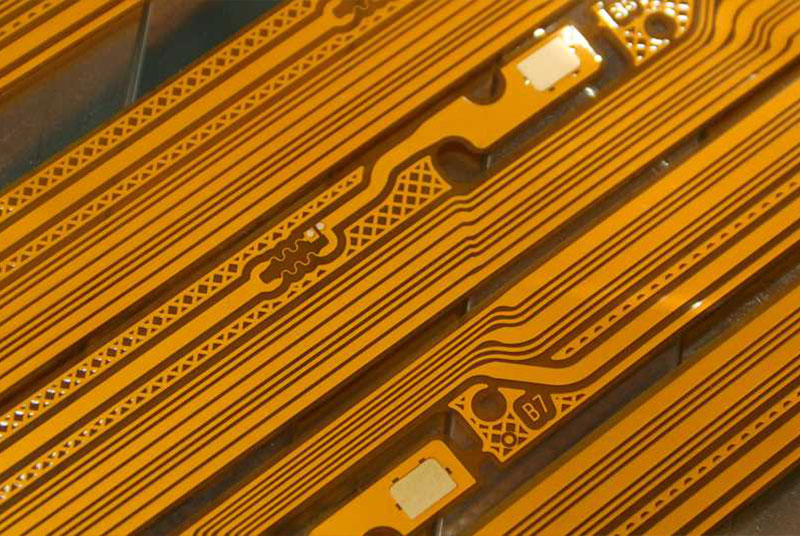
Flex PCBs are circuit boards designed to be flexible, allowing them to bend, twist, and fit into tight spaces. Unlike traditional rigid PCBs, which are solid and unyielding, Flex PCBs are made from thin, flexible materials like polyimide or polyester. These materials not only provide the necessary electrical conductivity but also allow the circuit boards to adapt to complex shapes without compromising functionality. Flex PCBs are ideal for applications that require dynamic movement or compact, lightweight designs.
Basic Structure of a Flex PCB
The basic structure of a Flex PCB consists of several layers. The substrate, typically made from a flexible material like polyimide or polyester, forms the base. On this substrate, a conductive layer of copper is applied to form the electrical pathways. An adhesive layer bonds the copper to the substrate. To protect the circuit from environmental damage such as moisture and dust, a coverlay is applied to shield the copper traces. This structure provides the necessary flexibility while maintaining high performance.
How Flex PCBs Work
Flex PCBs offer a unique advantage in their ability to bend and twist without damaging the circuit traces. Their flexible nature allows them to conform to three-dimensional shapes, making them ideal for compact spaces. The thin materials used in Flex PCBs enable them to maintain high electrical performance, even when subjected to repeated flexing. This makes Flex PCBs highly suitable for devices that require durability, such as wearable electronics and aerospace components.
Key Benefits of Flex PCBs
Design Flexibility
One of the primary benefits of Flex PCBs is their design flexibility. Unlike rigid PCBs, which require precise alignment and fixed dimensions, Flex PCBs can bend, fold, and adapt to complex shapes. This feature enables innovative product designs, such as curved displays or components integrated into unusual forms. By enabling 3D packaging, Flex PCBs open new possibilities for compact, multi-functional electronic devices that were previously unfeasible with rigid PCBs.
Space and Weight Savings
Flex PCBs are typically much thinner and lighter than their rigid counterparts, which makes them ideal for applications where space and weight are critical. Devices like smartphones, wearables, and medical implants benefit from the reduced footprint of Flex PCBs. Their ability to replace multiple rigid PCBs and wiring harnesses reduces both the space required for circuits and the overall weight of the product. For instance, in the aerospace industry, Flex PCBs contribute to the lightweighting of satellites and avionics systems, significantly improving performance without adding unnecessary weight.
Improved Reliability
Flex PCBs offer superior reliability compared to rigid PCBs. Their design reduces the number of solder joints and connectors, which are common points of failure in rigid circuits. By minimizing these failure points, Flex PCBs enhance the overall durability of the device. Furthermore, Flex PCBs can withstand higher levels of shock and vibration, making them ideal for automotive, aerospace, and industrial applications where reliability is essential. The ability of Flex PCBs to absorb stress and movement without breaking or losing functionality makes them a trusted solution in high-stress environments.
Flex PCBs in Consumer Electronics
Smartphones and Wearables
Flex PCBs have become a cornerstone in the design of modern smartphones and wearable devices. Their ability to connect components such as cameras and antennas in compact, bendable layouts allows for slimmer designs. For instance, the use of Flex PCBs in foldable smartphones enables them to retain functionality without compromising the device’s sleekness. In wearables, Flex PCBs allow for the integration of sensors, batteries, and communication modules into smaller form factors, making advanced health monitoring technology more accessible.
| Application Area | Key Functions | Design Requirements | Connected Components | Technical Specifications |
| Smartphones | Connecting cameras, antennas, displays, etc. | Compact size, thin profile, EMI resistance | Camera module, antenna, touchscreen, processor | Minimum thickness: 0.1mm, Copper layer: 12μm |
| Smartwatches | Supports touchscreen, sensors, and wireless connections | Flexible PCB design for bending and adapting to complex shapes | Heart rate sensor, accelerometer, display, battery module | Operating temperature range: -40℃ to 85℃, Surface treatment: metal coating |
| Headphones | Flexible PCB connects audio modules and controls | Small size, high signal integrity, long durability | Audio transmission module, control buttons, wireless receiver | Minimum bending radius: 2mm, Current carrying capacity: 3A |
| Fitness Trackers | Integration of sensors, GPS, and display | Compact design, comfort for long wear | Sensors, battery, GPS module, Bluetooth module | Signal integrity: low noise, high EMI resistance |
Tip: When designing aerospace systems, ensure that the Flex PCB can withstand extreme temperatures and radiation exposure to function reliably in space environments.
Smartwatches and Foldable Devices
Flex PCBs play a crucial role in the development of smartwatches and foldable devices. These products require highly flexible circuits that can bend without losing electrical performance. Flex PCBs enable the complex layouts necessary for these devices, allowing for better integration of advanced features, such as touchscreens and wireless connectivity, while maintaining compactness. Their flexibility allows manufacturers to design wearables that are both functional and stylish, without compromising on size or durability.
Impact on Product Design
Flex PCBs have significantly impacted product design by allowing for more compact and dynamic electronic systems. Devices can now be smaller, lighter, and more durable, which is essential for products like smartwatches and smartphones that require high-performance components in a small package. The integration of Flex PCBs enables designers to create products that were previously unfeasible with rigid PCBs, such as foldable phones, flexible displays, and 3D-form factors.
Aerospace and Automotive Applications
Aerospace Systems
In aerospace, Flex PCBs are used in satellites, avionics systems, and missile components. The lightweight and flexible nature of these circuits allows for easier integration into space-constrained areas, such as satellite systems. The ability to bend and twist without damaging the circuitry makes Flex PCBs ideal for aerospace applications, where space and weight optimization are crucial. Their durability under extreme conditions, including exposure to radiation and high temperatures, also makes them suitable for demanding aerospace environments.
| Application Area | Key Functions | Design Requirements | Connected Components | Technical Specifications |
| Satellite Circuit Connections | Efficient power and signal transmission, connecting multiple modules | Ultra-lightweight, radiation-resistant, low noise, high reliability | Power module, communication module, control systems | Copper layer thickness: 12μm, Minimum bending radius: 3mm |
| Aerospace Control Systems | Connects navigation systems and sensors | High-frequency signal transmission, EMI-resistant design | Navigation system, sensors, data transmission module | Maximum operating temperature: +150℃, Radiation resistance: 3000krad |
| Aerospace Instrument Displays | Connects display units to sensors, cameras, etc. | High precision, strong reliability, complex spatial adaptation | Display, sensors, camera module | Current carrying capacity: 5A, Voltage resistance: 500V |
| Aviation Electronics Connections | High-density signal transmission and power distribution | High temperature tolerance, high EMI resistance, dense routing | Control systems, signal processing unit, sensor modules | Bending durability: 5000 cycles, Frequency response: 10GHz |
Automotive Sensors and ADAS
In the automotive industry, Flex PCBs are widely used in Advanced Driver Assistance Systems (ADAS), sensors, and infotainment systems. These applications require compact, flexible solutions that can fit into tight spaces within vehicles. Flex PCBs can be used to connect various sensor modules, such as cameras and proximity sensors, while maintaining the vehicle’s sleek design. The ability of Flex PCBs to endure vibrations and high temperatures makes them ideal for automotive environments, ensuring reliable performance even in harsh conditions.
Resilience in Harsh Environments
Flex PCBs are designed to endure harsh environments, which is why they are commonly used in both aerospace and automotive applications. Their resistance to shock, vibration, and temperature fluctuations ensures that they continue to perform in extreme conditions. This makes them particularly suitable for use in automotive electronics, aerospace systems, and industrial applications where reliability and durability are critical. Flex PCBs offer a level of performance that rigid PCBs simply cannot match in dynamic, high-stress settings.
Medical Devices and Healthcare Applications
Pacemakers and Implantable Devices
Flex PCBs are essential components in medical devices such as pacemakers and other implantable devices. These devices require small, flexible circuits that can fit into tight spaces within the human body while maintaining reliability and performance. Flex PCBs allow for miniaturization, which is critical in medical devices, ensuring that the device is both compact and capable of performing its function reliably over time. This flexibility also allows for easier integration of various components, such as batteries and sensors, into the device.
Wearable Health Monitors
Wearable health monitors, such as fitness trackers and smartwatches, rely on Flex PCBs to integrate complex electronics into a small, flexible package. These devices often require sensors to track vital signs such as heart rate, body temperature, and oxygen levels. Flex PCBs enable these sensors to be connected in a compact layout, reducing the overall size of the device while ensuring it remains comfortable and functional for the user. The ability to bend and adapt to the form of the human body further enhances the comfort and wearability of these devices.
Medical Imaging Equipment
In medical imaging equipment, Flex PCBs play a crucial role in connecting sensors, cameras, and processing units in a compact, reliable design. The flexibility of these circuits enables medical devices to become more portable and efficient, improving their usability in various healthcare settings. Flex PCBs are used in diagnostic tools such as ultrasound machines and portable X-ray devices, where they help reduce size and weight while maintaining high performance and durability.

IoT Devices and Industrial Applications
Smart Home Sensors
Flex PCBs are widely used in smart home devices, such as sensors, thermostats, and home automation systems. These devices often need to be small, lightweight, and flexible to fit into various spaces around the home. Flex PCBs provide the perfect solution, enabling manufacturers to create compact, energy-efficient devices that are easy to install and operate. The flexibility of these PCBs also allows for the integration of multiple sensors into a single device, improving functionality while saving space.
Fitness Trackers
Flex PCBs are at the core of modern fitness trackers, enabling the integration of various sensors and wireless communication components into a compact form factor. These devices require high flexibility to fit comfortably around the wrist or other parts of the body. Flex PCBs allow for the necessary miniaturization without sacrificing performance, enabling advanced features such as heart rate monitoring, GPS tracking, and activity analysis. Their lightweight nature also ensures that fitness trackers remain comfortable for extended wear.
Industrial Robotics
Flex PCBs are used in industrial robotics to connect sensors, motors, and control systems in a flexible, durable design. These circuits must withstand harsh environments, including vibrations, dust, and extreme temperatures, while maintaining reliable performance. The ability of Flex PCBs to bend and adapt to dynamic movements makes them ideal for use in robotics, where flexibility and reliability are crucial. They help ensure that robotic systems operate smoothly, even in challenging industrial environments.
Thermal Management and Signal Integrity
Heat Dissipation Benefits
Flex PCBs provide excellent thermal management, which is crucial in high-performance applications. Their lightweight and flexible nature allow for better heat dissipation and airflow, preventing overheating of critical components. This is particularly important in devices such as smartphones, wearables, and automotive sensors, where excess heat can damage sensitive electronics. Flex PCBs enable efficient thermal management by facilitating the movement of heat away from heat-sensitive components.
| Application Area | Thermal Management Function | Design Requirements | Key Components | Technical Specifications |
| Smartphones | Optimizes CPU/GPU heat dissipation, reducing overheating issues | Efficient heat dissipation, slim design, high heat tolerance | Processor, battery module, wireless module | Thermal resistance: 0.5℃/W, Operating temperature: -20℃ to 85℃ |
| Automotive Electronics | Ensures reliable operation of in-vehicle electronics in high-temperature environments | High thermal conductivity materials, precise layout, high-temperature tolerance | Sensors, battery module, engine control systems | Thermal conductivity: 50 W/m·K, Max operating temperature: 150℃ |
| Industrial Robots | Improves heat dissipation of moving parts, preventing overheating | High temperature tolerance, high reliability design | Electric motors, sensors, control unit | Heat dissipation capacity: 3W, Temperature range: -40℃ to 120℃ |
| Consumer Electronics | Enhances thermal management of batteries and circuits, extending product lifespan | Increased thermal conductivity, reduced temperature peaks | Battery, display, processor, wireless module | Dissipation area: 10cm², Voltage resistance: 500V |
Signal Integrity Improvement
Signal integrity is essential for the proper functioning of electronic systems. Flex PCBs improve signal integrity by minimizing the number of connectors and cables, which can introduce noise and interference. By routing signals through fewer, more direct paths, Flex PCBs ensure that signals remain clear and accurate. This is particularly important in high-speed applications such as telecommunications and data processing, where signal loss or distortion can impact performance.
Reduced Electromagnetic Interference (EMI)
Flex PCBs help reduce electromagnetic interference (EMI) by providing enhanced shielding and allowing for tighter signal routing. This reduction in EMI is essential in applications where signal quality is critical, such as in medical devices, aerospace systems, and communication equipment. By minimizing EMI, Flex PCBs ensure that electronic systems operate more reliably and efficiently, reducing the risk of errors or malfunctions caused by interference.
Conclusion
Flex PCBs provide significant advantages in terms of flexibility, space efficiency, and reliability, making them ideal for a wide range of industries. From consumer electronics to aerospace, they offer the adaptability needed for modern device designs. HECTACH excels in offering high-quality Flex PCB solutions, providing products that ensure durability, space optimization, and performance enhancement. As the demand for more compact and dynamic products increases, HECTACH continues to provide innovative solutions that meet the evolving needs of their customers.
FAQ
Q: What is a Flex PCB?
A: A Flex PCB is a flexible printed circuit board made from thin, flexible materials like polyimide or polyester, allowing it to bend and conform to various shapes. It's ideal for compact and dynamic devices.
Q: How are Flex PCBs used in consumer electronics?
A: Flex PCBs are used in consumer electronics such as smartphones and wearables to connect components like cameras, sensors, and antennas while saving space and reducing weight.
Q: Why are Flex PCBs preferred for aerospace applications?
A: Flex PCBs are lightweight, flexible, and durable, making them perfect for space-constrained areas in satellites and avionics, while withstanding extreme temperatures and radiation.
Q: What are the benefits of using Flex PCBs in medical devices?
A: Flex PCBs enable the miniaturization of medical devices like pacemakers and wearable health monitors, offering flexibility, durability, and compact designs for reliable functionality.
Q: How do Flex PCBs improve product reliability?
A: Flex PCBs reduce the number of solder joints and connectors, enhancing reliability by minimizing failure points, and they can withstand shocks and vibrations in harsh environments.


