Contents
Introduction
What Is a Flexible PCB?
Key Components in Flexible PCB Manufacturing
Step-by-Step Process for Making a Flexible PCB
Factors to Consider for Custom Flexible PCB Design
Advantages of High-Quality Flexible PCB
Special Features in Flexible PCB
Troubleshooting Common Issues in Flexible PCB Production
Conclusion
FAQ
Introduction
Flexible printed circuit boards (PCBs) are essential in modern electronic devices, allowing engineers to create compact and efficient designs without compromising on electrical performance. Unlike traditional rigid PCBs, flexible PCBs can bend, fold, and twist, which makes them ideal for devices that need to fit into tight spaces or require movement flexibility, such as wearable tech, smartphones, and medical devices. The process of manufacturing a flexible PCB is highly specialized, requiring specific materials, techniques, and technologies. In this article, we will explore the detailed steps involved in how to make flexible PCBs and the considerations that need to be addressed to achieve high-quality results.
What Is a Flexible PCB?
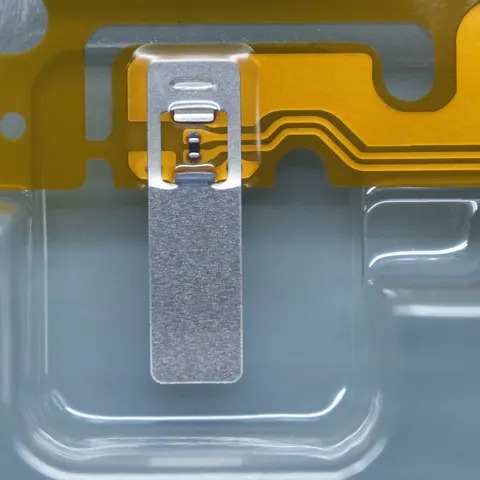
A flexible PCB is a type of circuit board that can bend, twist, and fold without damaging the connections or the functionality of the electronic components it houses. These boards are made from flexible materials like polyimide or polyester film, which provide mechanical flexibility while maintaining electrical performance. Unlike rigid PCBs, which are made from fiberglass or other hard substrates, flexible PCBs are designed for dynamic applications that require bending, twisting, or movement.
There are several key advantages of using flexible PCBs over traditional rigid ones, including:
Space-saving: Flexible PCBs can be used to create thinner, lighter, and more compact devices.
Durability: They are resistant to vibrations and shock, which makes them suitable for environments that involve frequent movement.
Customization: Flexible PCBs can be designed to fit into unusual shapes and configurations, making them ideal for custom applications.
Key Components in Flexible PCB Manufacturing
When creating a flexible PCB, the right materials and components are crucial to ensuring both performance and durability. Here are the key elements involved:
Base Material: The foundation of a flexible PCB typically consists of polyimide, a thermoplastic material that offers high heat resistance, electrical insulation, and mechanical flexibility.
Copper Layer: This conductive layer is where the circuit patterns are etched. It provides the electrical connections between the components on the PCB.
Solder Mask: This protective layer prevents accidental short circuits and enhances the PCB’s durability.
Surface Finish: The surface finish protects the copper from oxidation and corrosion, ensuring a reliable electrical connection.
Adhesive Layer: In multi-layer flexible PCBs, adhesives are used to bond layers together while maintaining flexibility.
Step-by-Step Process for Making a Flexible PCB
Creating a flexible PCB involves several stages, each requiring precision and attention to detail. Below are the key steps involved in the manufacturing process.
Material Selection for Flexible PCB
Choosing the right material is the first step in making a flexible PCB. The material must offer electrical insulation, flexibility, and heat resistance. Polyimide is the most common material used due to its excellent balance of properties. For specific needs, other materials like polyester or PEN (polyethylene naphthalate) might also be used.
Here’s a comparison of commonly used materials:
| Material Type | Benefits | Applications |
| Polyimide | High heat resistance, flexibility | Wearables, flexible sensors |
| Polyester | Cost-effective, flexible | Low-cost applications, prototypes |
| PEN | Higher thermal stability | High-frequency, high-durability |
Circuit Printing and Etching
Once the base material is selected, the next step is printing the circuit pattern onto the copper layer. This is typically done using photolithography, where a light-sensitive coating is applied to the copper, exposed to UV light through a mask, and then developed to reveal the circuit pattern. The exposed copper is then etched away using chemical solutions, leaving behind the circuit traces.
Layering and Lamination
After the circuit pattern is etched, multiple layers may be laminated together using adhesives to create a multi-layer flexible PCB. The layers are carefully aligned and pressed together at high temperatures, ensuring a strong bond while maintaining the flexibility of the board.
Factors to Consider for Custom Flexible PCB Design
When designing a custom flexible PCB, several factors must be taken into account to ensure it meets the required specifications for your project. These include:
Electrical Requirements: The board must support the electrical needs of the application, including the necessary voltage, current, and frequency.
Mechanical Design: The flexibility of the PCB is paramount. It should be designed to bend or flex without damaging the circuits.
Thermal Considerations: If the PCB is to operate in high-temperature environments, materials with high thermal conductivity, such as copper, should be used.
Space Constraints: Flexible PCBs are often used in compact devices, so the design must optimize space while maintaining functionality.
Durability: The materials used in the PCB must withstand stress and vibrations without degrading or losing performance.
Advantages of High-Quality Flexible PCB
The main benefit of using high-quality flexible PCBs lies in their ability to deliver superior performance, especially when used in advanced electronic systems. Some key advantages include:
Compactness: High-quality flexible PCBs allow for highly compact and lightweight designs.
Enhanced Reliability: They are less prone to breakage under mechanical stress compared to rigid PCBs.
Improved Signal Integrity: A high-quality flexible PCB ensures that the signal loss is minimized, which is crucial for high-speed electronics.
For critical applications such as medical devices, aerospace, and automotive electronics, investing in high-quality flexible PCBs can lead to significant long-term benefits, reducing the need for replacements and maintenance.
Special Features in Flexible PCB
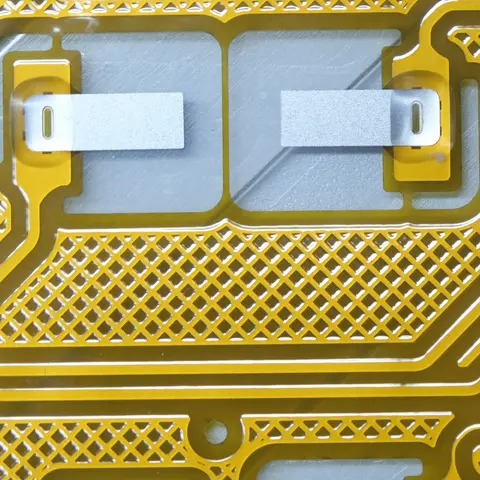
Flexible PCBs can be customized to meet specific needs, such as enhanced durability or high-frequency performance. Below are some key features of flexible PCBs:
Flexible PCB with High Thermal Conductivity: For electronics that generate significant heat, such as high-power LED circuits or automotive sensors, flexible PCBs with high thermal conductivity are essential. These PCBs are made with materials designed to dissipate heat efficiently, preventing overheating and ensuring the longevity of the components.
Flexible PCB for High-Frequency Applications :In applications such as telecommunications or RF devices, flexible PCBs for high-frequency applications are critical. These PCBs are designed to minimize signal loss and interference, enabling smooth transmission of high-frequency signals without degradation.
Flexible PCB with High Durability: Flexible PCBs with high durability are made from materials that offer resistance to mechanical stress, temperature fluctuations, and environmental factors like moisture and chemicals. These are ideal for harsh environments such as automotive, aerospace, or industrial applications.
Flexible PCB with Low Signal Loss: In high-performance electronic devices, signal integrity is paramount. Flexible PCBs with low signal loss are engineered to reduce the amount of signal degradation over distance, ensuring that high-speed signals are transmitted clearly and accurately.
Troubleshooting Common Issues in Flexible PCB Production
Even with precise manufacturing processes, issues can arise in flexible PCB production. Common problems include:
Copper delamination: This occurs when the copper layer separates from the base material, often due to improper lamination.
Signal degradation: Caused by incorrect material selection or poor circuit design.
Bending failure: If the flexible PCB is bent beyond its limit, it can crack or break.
To avoid these issues, thorough testing and careful design are essential.
Conclusion
Creating a flexible PCB is a complex but rewarding process that requires careful material selection, precise manufacturing, and an understanding of the specific requirements for the application. By following the right steps and choosing the right components, you can produce high-quality flexible PCBs that meet the needs of even the most demanding electronic devices. Whether you need a flexible PCB with high thermal conductivity, for high-frequency applications, or with low signal loss, understanding the fundamental process and considerations is key to achieving success in flexible PCB manufacturing.
FAQ
1. What is the difference between flexible and rigid PCBs?
Flexible PCBs can bend and flex, while rigid PCBs are made of solid materials and cannot be bent. Flexible PCBs are ideal for applications with space constraints or where movement is required.
2. Can flexible PCBs be used for high-frequency applications?
Yes, flexible PCBs for high-frequency applications are designed to minimize signal loss and interference, making them suitable for telecommunications and other high-frequency uses.
3. How do I ensure the durability of my flexible PCB?
Choose high-durability materials and ensure proper design, including using thicker copper layers and choosing flexible substrates that can withstand environmental factors like temperature and moisture.
4. What materials are used in flexible PCBs?
Common materials include polyimide, polyester, and PEN, which offer flexibility and durability while ensuring reliable electrical performance.
5. What are some common issues in flexible PCB production?
Common issues include copper delamination, signal degradation, and bending failure. Careful design and manufacturing practices can help avoid these problems.


