Flexible printed circuit boards (PCBs) have revolutionized the design and functionality of many modern electronics. Unlike traditional rigid PCBs, which are constructed on solid, inflexible substrates, flexible PCBs (FPCBs) are built on flexible materials that allow them to bend, twist, and conform to different shapes. These flexible designs enable a range of new possibilities for devices where space is at a premium and durability is essential.
Flexible PCBs are made from high-performance materials like polyimide, which gives them the ability to maintain performance under challenging conditions, such as high temperatures and mechanical stress. The integration of flexible PCBs into electronics has drastically changed industries ranging from consumer electronics to automotive, medical, aerospace, and more.
In this article, we will explore what flexible PCBs are, their uses, and their advantages. We will dive deep into the specific applications of flexible PCBs and how they are helping shape the future of technology.
1. The Basics of Flexible PCBs
What is a Flexible PCB?
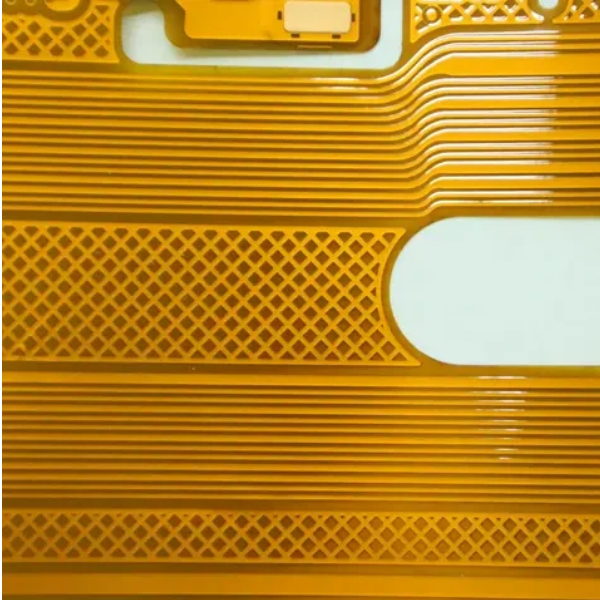
A flexible PCB is a type of printed circuit board that uses flexible materials for its substrate, allowing the board to bend, fold, or twist without compromising its electrical functionality. The main components of an FPCB include the following:
Substrate: A flexible material such as polyimide or polyester that provides the board with its ability to flex.
Conductive Layer: Copper traces that create the electrical connections on the board.
Protective Layer: A layer of protective coating (often polyimide) that ensures the board’s durability and resistance to environmental factors.
The core advantage of flexible PCBs lies in their ability to be integrated into complex shapes, which makes them ideal for devices where rigid PCBs would not fit or provide the required space efficiency.
Key Characteristics of Flexible PCBs
Here are the key characteristics of flexible PCBs:
Feature | Explanation |
Flexibility | Can bend, twist, and conform to different shapes without losing functionality. |
Lightweight | Lighter than traditional rigid PCBs, making them ideal for portable devices. |
Durability | Resistant to stress, temperature variations, and vibration. |
Space Efficiency | Ideal for compact devices where space is limited. |
Electrical Performance | High electrical performance, capable of handling high-speed signals. |
Flexible PCBs are often used in complex designs where there is a need for advanced functionality in small, flexible spaces.
2. The Role of Flexible PCBs in Modern Electronics
Why Flexible PCBs Are Essential for Advanced Electronics
The rise of portable devices and the increasing miniaturization of technology has created a demand for components that are not only functional but can also fit in small, often confined spaces. This is where flexible PCBs come into play.
Flexible PCBs have become an essential component of cutting-edge electronics because they provide a versatile solution to design challenges. They allow manufacturers to reduce the weight and size of devices while still maintaining their functionality. Additionally, flexible PCBs can be more durable than traditional PCBs because they are less likely to break under mechanical stress.
3. Key Applications of Flexible PCBs
Flexible PCBs are being used across a wide range of industries, from consumer electronics to medical devices, automotive, aerospace, and industrial systems. Below are some of the most important applications:
Flexible PCBs in Consumer Electronics
Flexible PCBs are used in many consumer electronics because they offer the ability to create compact, lightweight, and flexible designs. Examples include:
Smartphones and Tablets: Flexible PCBs are used in devices like smartphones to provide the necessary connections between components while saving space and reducing weight.
Wearables: Devices such as smartwatches, fitness trackers, and medical monitoring wearables rely on flexible PCBs due to their thinness and ability to bend to fit the contours of the body.
Flexible Displays: The emerging technology of flexible OLED and LED screens also relies on flexible PCBs, enabling displays to be curved or bent for innovative product designs.
Flexible PCBs in the Automotive Industry
The automotive industry uses flexible PCBs for applications where space and weight are crucial, such as:
Infotainment Systems: Modern vehicles rely on flexible PCBs to enable advanced touchscreens, connectivity, and control systems in the dashboard and entertainment modules.
Sensors: Flexible PCBs are ideal for automotive sensors due to their compact size and durability in high-vibration environments.
Battery Management Systems (BMS): Flexible PCBs are used in electric vehicles (EVs) and hybrid vehicles to monitor and manage the performance of batteries, ensuring efficient energy distribution.
Flexible PCBs in Medical Devices
Flexible PCBs have significant applications in the medical field, providing reliable and compact solutions for a variety of devices:
Health Monitoring Systems: Wearable devices such as heart rate monitors, blood pressure cuffs, and glucose sensors utilize flexible PCBs to create smaller, more ergonomic devices.
Implants: Flexible PCBs are used in medical implants such as pacemakers, where their ability to conform to the shape of the human body is crucial.
Diagnostic Equipment: Flexible PCBs are used in portable diagnostic tools, enabling doctors to access patient data without requiring large and bulky equipment.
Flexible PCBs in Aerospace and Military
Aerospace and military industries demand electronics that can function under extreme conditions, and flexible PCBs are an ideal solution for these applications:
Avionics: Flexible PCBs are used in aircraft electronics, including flight control systems and navigation equipment, where weight and flexibility are critical.
Military Communication Systems: Flexible PCBs are integrated into communication devices, radar systems, and other military equipment where size, weight, and durability are essential.
4. How Flexible PCBs Improve Product Design and Functionality
Enhanced Design Flexibility
One of the most significant advantages of flexible PCBs is their ability to integrate complex geometries into tight spaces. Manufacturers can design flexible PCBs to wrap around other components, such as screens or processors, providing greater freedom in product design.
Flexible PCBs also enable manufacturers to create multi-layer designs that can combine multiple circuits into one board, further optimizing space.
Integration with Compact Devices
As devices get smaller, the integration of more components in a compact space becomes a challenge. Flexible PCBs make it possible to create thin, lightweight, and compact electronics without compromising on performance.
For example, flexible PCBs allow for tighter integration in devices like smartphones, laptops, and wearable devices, reducing the overall size while still providing all the necessary functionalities.
Reliability and Durability in Harsh Environments
Flexible PCBs are particularly advantageous in environments where traditional rigid PCBs may fail. Due to their flexibility, they are more resistant to physical stress, temperature changes, and vibrations. This is why flexible PCBs are used in industries such as automotive, aerospace, and medical devices, where products must withstand harsh conditions.
5. Benefits of Using Flexible PCBs in Various Industries
Cost-Effectiveness and Efficiency
While the initial cost of producing flexible PCBs may be higher than that of traditional PCBs, the long-term benefits include reduced assembly time, fewer components, and simpler manufacturing processes. Flexible PCBs can also eliminate the need for additional connectors or wire harnesses, which can further reduce costs.
Improved Performance
Flexible PCBs are designed to handle high-speed signals and can be used in high-frequency applications. Their ability to efficiently dissipate heat also helps to prevent overheating in complex electronic systems.
6. Flexible PCBs and Future Trends
The Future of Flexible PCBs in Emerging Technologies
As technology continues to advance, the demand for flexible PCBs will only increase. The rise of the Internet of Things (IoT), wearable technology, and smart home devices all rely on flexible PCBs to create compact, efficient, and high-performance products. Flexible PCBs are expected to play a significant role in shaping these industries.
Advancements in Materials and Manufacturing
Future advancements in materials and manufacturing techniques will continue to improve the performance and capabilities of flexible PCBs. For example, new materials such as stretchable conductors and improved insulating substrates will allow for even more advanced applications, including flexible, wearable electronics and biomedical devices.
7. Conclusion
In conclusion, flexible PCBs have become an essential component in a variety of industries, from consumer electronics to automotive, medical, aerospace, and beyond. Their ability to bend, twist, and conform to different shapes offers unparalleled advantages in space efficiency, durability, and design flexibility. As technology continues to evolve, the demand for flexible PCBs will only grow, driving innovation in emerging fields such as wearable tech, IoT, and smart devices.
At HECTECH, we specialize in providing high-quality flexible PCB solutions tailored to meet the unique needs of our clients. With our advanced manufacturing capabilities and deep expertise, we are committed to delivering innovative and reliable PCB solutions that support your business’s success. If you're looking for top-tier flexible PCB products or need expert guidance for your next project, we invite you to reach out to us. Let’s collaborate and explore the endless possibilities that flexible PCBs can offer for your business.
8. FAQ
1. What materials are commonly used for flexible PCBs?
Flexible PCBs are primarily made from flexible substrates such as polyimide, polyester, and other high-performance materials that provide both flexibility and durability. These materials are resistant to heat and environmental stress, ensuring that the PCB can withstand challenging conditions.
2. What are the advantages of flexible PCBs over rigid PCBs?
Flexible PCBs are lighter, thinner, and more space-efficient than rigid PCBs. They offer better durability under mechanical stress and are ideal for applications in compact or curved spaces. Their ability to bend and flex makes them perfect for wearable devices, automotive sensors, and aerospace equipment.
3. Can flexible PCBs be used in high-temperature environments?
Yes, flexible PCBs are made from materials that can withstand high temperatures. Polyimide, for example, has a high thermal resistance, making flexible PCBs suitable for use in industries where components are exposed to high heat, such as automotive and aerospace.
4. How does the manufacturing process of flexible PCBs differ from rigid PCBs?
The manufacturing process for flexible PCBs involves the same basic steps as rigid PCBs but includes additional steps to ensure flexibility. The key difference is in the choice of materials and the need for the PCB to be fabricated on flexible substrates. Additionally, flexible PCBs are often produced using roll-to-roll processes, which is more cost-effective for mass production.
5. Are flexible PCBs expensive?
Flexible PCBs may have a higher upfront cost compared to traditional rigid PCBs due to the specialized materials and manufacturing processes involved. However, their long-term cost-effectiveness—due to reduced assembly time and the elimination of additional components—makes them a worthwhile investment in many industries.


