Flexible PCBs (Printed Circuit Boards) are a type of circuit board designed to bend, fold, and fit into compact spaces. Unlike traditional rigid PCBs, which are made of solid materials like fiberglass, flexible PCBs are made from flexible materials such as polyimide, which allows them to be bent or twisted without breaking. These boards are used in modern electronics to allow for more intricate, space-saving, and adaptable designs. The ability to design circuits that can flex and fit into unconventional spaces has made flexible PCBs an essential component in various industries.
In today's world, where compact and lightweight electronics are in high demand, flexible PCBs offer a critical solution. These boards are particularly beneficial in applications where space constraints, durability, and high-performance standards are crucial. The rise in wearable technology, medical devices, and portable electronics has seen a growing demand for flexible PCBs, as they allow for both the miniaturization of components and the creation of more durable, flexible devices.
What is a Flexible PCB?
Definition and Basic Concept
A flexible PCB is a type of printed circuit board that uses flexible materials as its base. Unlike traditional rigid PCBs, flexible PCBs can bend and fold without losing their electrical functionality. The material used to make flexible PCBs is usually a type of plastic, such as polyimide or polyester, which can withstand high temperatures and stress while maintaining the ability to flex. These PCBs can be single-layer, double-layer, or even multi-layered depending on the design and application requirements.
Key Features of Flexible PCBs
The primary features of flexible PCBs include:
Flexibility: The core benefit of flexible PCBs is their ability to bend or fold without damaging the circuit.
Lightweight: Made from lightweight materials, flexible PCBs reduce the overall weight of electronic devices.
Durability: These PCBs can withstand harsh conditions such as vibration, moisture, and temperature fluctuations.
Compact Design: Flexible PCBs allow manufacturers to design smaller, more compact devices.
High-performance: Flexible PCBs can support complex electrical connections, making them suitable for high-performance applications.
Differences Between Flexible and Rigid PCBs
Flexible PCBs differ from rigid PCBs in several key ways:
Feature | Flexible PCB | Rigid PCB |
Flexibility | Can bend and fold without breaking | Cannot bend or fold |
Material | Made from flexible plastics (polyimide, polyester) | Made from rigid materials (fiberglass, epoxy resin) |
Durability | High resistance to vibration and stress | May crack or break under stress |
Design Complexity | Allows for complex and compact designs | Limited in design complexity |
Application | Used in compact, space-constrained devices | Used in larger, less compact devices |
How Does a Flexible PCB Work?
Core Technology Behind Flexible PCBs
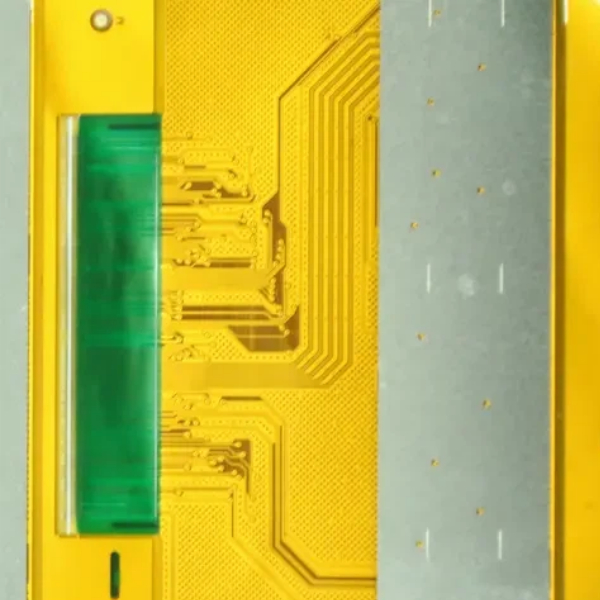
Flexible PCBs are constructed by combining a flexible substrate with a thin layer of conductive material, typically copper, to form an electrical circuit. These circuits are etched onto the substrate in a process that is similar to the manufacturing of rigid PCBs. The flexibility comes from the material used for the substrate, which allows the board to bend without damaging the electrical components. Additionally, the circuit paths are carefully designed to maintain the integrity of the electrical signals even when the board is flexed.
Material Selection
Materials for flexible PCBs must have high-temperature resistance, flexibility, and good insulating properties. Common materials include:
Polyimide: The most commonly used material for flexible PCBs due to its thermal stability and flexibility.
Polyester: Less expensive than polyimide but with slightly lower performance in terms of temperature tolerance.
Parylene: Used in specialized applications requiring very thin coatings.
Electrical Functionality
The conductive paths in a flexible PCB are made from copper, which is etched into a thin film and then applied to the flexible substrate. These paths connect various components such as capacitors, resistors, and integrated circuits (ICs), creating an electrical circuit. Despite the board's flexibility, the electrical signals remain intact as long as the design follows the appropriate bending tolerances.
Advantages of Flexible PCBs
Design Flexibility
Flexible PCBs allow for innovative, compact designs that would otherwise be impossible with rigid PCBs. In devices like smartphones, wearables, and medical implants, flexible PCBs enable intricate and space-saving designs that fit into tight spaces. The ability to fold or curve these boards makes them ideal for devices where conventional, rigid PCBs cannot be used.
Reliability in Harsh Environments
Flexible PCBs are ideal for environments where rigid PCBs may fail. For example, in automotive and aerospace industries, flexible PCBs can endure high levels of vibration and temperature fluctuations. Their ability to flex without breaking ensures that they can handle the physical stress that occurs in these applications.
Cost-Effectiveness in Mass Production
Though the initial manufacturing of flexible PCBs can be more complex, they often lead to cost savings in the long run. Flexible PCBs can reduce the need for additional connectors, wiring, and other mechanical components, which lowers overall production costs. Additionally, their ability to be used in high-volume production helps reduce unit costs over time.
Applications of Flexible PCBs
Consumer Electronics
Flexible PCBs are widely used in consumer electronics, such as smartphones, wearables, and other portable devices. The ability to design small, flexible, and durable PCBs makes them ideal for the compact nature of modern consumer electronics.
Medical Devices
Medical devices often require compact and flexible circuit boards to fit into small, ergonomically designed spaces. Flexible PCBs are commonly used in equipment such as pacemakers, hearing aids, and medical sensors. These devices benefit from the reliability and durability of flexible PCBs, which can withstand the conditions within the human body.
Automotive Industry
Flexible PCBs are used in various automotive applications, from sensor systems to LED displays. The automotive industry requires reliable, durable, and flexible connections that can withstand vibrations and temperature changes, which makes flexible PCBs an ideal choice.
Manufacturing Process of Flexible PCBs
Design and Prototyping
The design of flexible PCBs starts with the creation of a schematic layout using specialized PCB design software. After the initial design is completed, prototypes are made to verify the circuit's functionality and flexibility. During this stage, engineers evaluate the performance of the PCB under bending and other stress conditions to ensure that it meets the necessary specifications.
Etching and Layering
Once the design is finalized, the flexible PCB is fabricated by etching the copper circuit onto the flexible substrate. The process involves applying a layer of copper foil onto the substrate and using a chemical etching process to remove unwanted copper, leaving only the desired circuit pattern. Multiple layers can be added to the flexible PCB to increase its complexity and functionality.
Assembly and Testing
After the PCB is fabricated, components such as capacitors, resistors, and ICs are mounted onto the PCB using automated pick-and-place machines. The board is then tested for electrical connectivity, signal integrity, and physical flexibility. Quality control measures are implemented at every stage to ensure the final product meets all specifications.
Why Choose Flexible PCBs?
Improved Performance and Design
Flexible PCBs allow for more complex designs that can save space and reduce the weight of electronic devices. They are perfect for applications that require high-density interconnections and intricate layouts.
Space Efficiency
With their ability to fold and bend, flexible PCBs provide space-saving solutions for modern devices. This ability allows for innovative product designs that would be impossible with rigid PCBs.
Conclusion
Summary of Benefits
Flexible PCBs offer numerous advantages over traditional rigid PCBs, including unmatched flexibility, enhanced durability, compact design, and exceptional reliability in harsh environments. These features make them indispensable in the development of modern electronic devices across diverse industries, including automotive, healthcare, and consumer electronics. Their ability to bend and conform to various shapes allows for more innovative and efficient product designs that traditional rigid boards simply cannot match.
Future of Flexible PCBs
As technology evolves, the applications of flexible PCBs are set to expand further. With continuous advancements in materials and manufacturing techniques, we expect flexible PCBs to become even more versatile and cost-effective. These improvements will not only enhance their performance but also make them increasingly accessible for use in a broader range of future products. At HECTECH, we are at the forefront of this technological evolution, continuously innovating to meet the growing demands of the market. If you are looking to explore how flexible PCBs can benefit your projects, or if you have any questions about our solutions, feel free to get in touch with us. We're here to help you bring your ideas to life with the latest in flexible PCB technology.
FAQ
1. What is the difference between flexible PCBs and rigid PCBs?
Flexible PCBs can bend and fold without breaking, while rigid PCBs are made from solid materials and cannot bend. Flexible PCBs are used in compact and intricate designs where flexibility is required.
2. What are the main uses of flexible PCBs in electronics?
Flexible PCBs are used in a variety of applications, including consumer electronics (smartphones, wearables), medical devices (pacemakers, sensors), and automotive electronics (LED displays, sensor systems).
3. How are flexible PCBs manufactured?
Flexible PCBs are manufactured by selecting suitable materials, designing the circuit layout, etching the copper onto the substrate, and then assembling the components onto the board. The process involves careful testing to ensure functionality and flexibility.
4. Are flexible PCBs more expensive than rigid PCBs?
Initially, flexible PCBs can be more expensive due to their complex manufacturing process. However, over time, they can be more cost-effective, especially in high-volume production, due to their ability to reduce component count and save space.
5. Can flexible PCBs be used for high-power applications?
Flexible PCBs are suitable for many high-power applications, though their design must be carefully optimized to handle the electrical load. Advanced materials and careful design can ensure that flexible PCBs can be used in power applications.
6. What are the advantages of using flexible PCBs in medical devices?
Flexible PCBs offer the advantage of fitting into small, ergonomic spaces while providing the durability and reliability required for medical devices. They can withstand the conditions of the human body, making them ideal for implants and medical sensors.


