Contents
Introduction
Understanding Rigid PCBs and Flexible PCBs
Key Differences Between Rigid PCB and Flexible PCB
Manufacturing Processes: How Are Rigid and Flexible PCBs Made?
Applications: Where Are Rigid and Flexible PCBs Used?
Performance Comparison: Rigid PCB vs Flexible PCB
Advantages and Disadvantages of Rigid PCBs
Advantages and Disadvantages of Flexible PCBs
Choosing Between Rigid PCB and Flexible PCB
Conclusion
FAQ
Introduction
In the world of electronics, Printed Circuit Boards (PCBs) play a crucial role in connecting various electronic components, ensuring proper functionality, and facilitating communication between them. PCBs come in different types, with rigid and flexible being the most common. The primary difference lies in their physical properties—rigid PCBs are inflexible, whereas flexible PCBs can bend and flex without compromising their functionality. This distinction impacts their design, manufacturing, and application across different industries.
In this article, we’ll explore the key differences between rigid and flexible PCBs, including their structure, benefits, drawbacks, and when to choose one over the other. Whether you’re considering a Custom flexible PCB design for a specific project or trying to understand the benefits of using high-quality flexible PCBs, this article will help guide your decision-making process.
Understanding Rigid PCBs and Flexible PCBs
Before diving into the comparison, it’s important to understand what rigid and flexible PCBs are, their structure, and their fundamental differences.
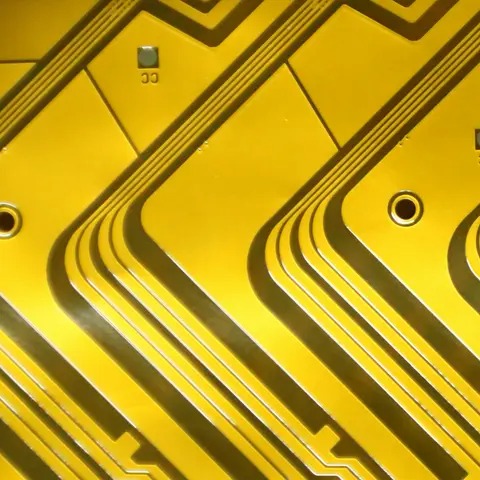
Rigid PCBs: Rigid PCBs are the traditional type of PCB that most people are familiar with. They consist of a solid, rigid base material, often made from fiberglass or epoxy, and a layer of copper for electrical conduction. These PCBs are designed to hold their shape, making them ideal for devices where stability and durability are required. Rigid PCBs are used in a variety of electronic products, from everyday consumer electronics to industrial machinery.
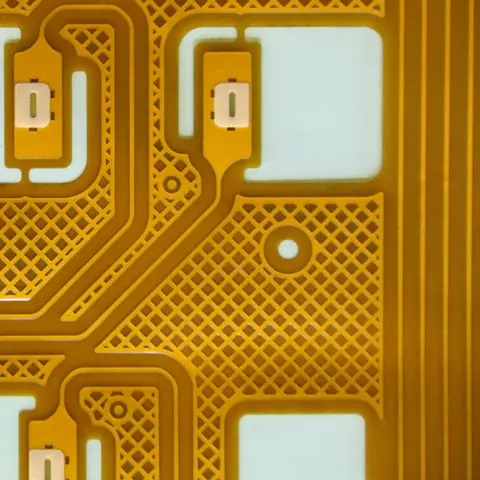
Flexible PCBs: On the other hand, flexible PCBs, also known as flex circuits, are made from flexible materials such as polyimide or PET (Polyethylene Terephthalate). These materials allow the PCB to bend, twist, and conform to the shape of a device. The conductive copper traces are also flexible, enabling the PCB to be used in applications where rigid circuit boards cannot perform.
Key Elements of Flexible PCBs
Custom flexible PCB design: Flexible PCBs can be tailored to meet the specific needs of a project, making them versatile in various industries.
High-quality flexible PCB: These PCBs are engineered for high-performance applications, ensuring long-lasting durability and stability.
Flexible PCB with high thermal conductivity: Some flexible PCBs are designed to handle heat more effectively, making them suitable for high-temperature applications.
Flexible PCB for high-frequency applications: Certain flexible PCBs are optimized to minimize signal loss and perform effectively in high-frequency environments.
Flexible PCB with high durability: These PCBs are designed to withstand mechanical stress, bending, and other challenging conditions.
Flexible PCB with low signal loss: High-quality materials are used to ensure minimal signal degradation, even over longer distances.
Key Differences Between Rigid PCB and Flexible PCB
While rigid and flexible PCBs serve similar functions in connecting electronic components, they differ in several important aspects. Let’s take a closer look at these differences:
1. Structural Difference: The primary distinction between rigid and flexible PCBs is the material used in their construction. Rigid PCBs have a solid, inflexible base that ensures structural integrity, whereas flexible PCBs are made from pliable materials that can bend and twist without breaking.
2. Flexibility and Form Factor :The most significant advantage of flexible PCBs is their ability to bend and fold. This flexibility allows them to be used in compact and complex designs where space is limited. Rigid PCBs, on the other hand, require precise placement within devices, making them less adaptable in certain applications.
3. Durability and Reliability :Rigid PCBs are typically more durable when it comes to handling environmental stress, as they maintain their form and structure under most conditions. Flexible PCBs are more prone to wear and tear, especially when bent repeatedly, though advancements in material technology have improved their flexibility with high durability.
4. Manufacturing Process: Manufacturing rigid PCBs typically involves straightforward processes such as layering copper on a fiberglass or epoxy base. In contrast, flexible PCBs require more complex manufacturing processes, including the use of flexible base materials and special techniques to ensure the integrity of the circuit when bent.
Manufacturing Processes: How Are Rigid and Flexible PCBs Made?
The production methods for rigid PCBs and flexible PCBs are different due to the unique properties and requirements of each type.
Rigid PCB Manufacturing
The process for manufacturing rigid PCBs typically involves the following steps:
Substrate preparation: A fiberglass or epoxy resin board is selected as the base.
Copper layer deposition: Copper is layered on top of the substrate to create the circuit traces.
Photoresist coating: A layer of photoresist is applied to the copper surface.
Etching: The unwanted copper is removed through etching, leaving behind the desired circuit pattern.
Drilling: Holes are drilled for component leads and vias.
Final assembly: Components are soldered onto the board, and the board is tested for functionality.
Flexible PCB Manufacturing
The process for manufacturing flexible PCBs is more intricate and requires special techniques:
Base material selection: A flexible film like polyimide or PET is selected as the base.
Copper deposition: A thin layer of copper is applied to the flexible base.
Photoresist and etching: Similar to rigid PCBs, a photoresist layer is applied, followed by etching to form the circuit traces.
Lamination: Multiple layers of flexible circuits are laminated together if a multi-layer PCB is needed.
Final assembly: Components are mounted, and the board undergoes testing.
The more complex process for flexible PCBs typically makes them more expensive to produce, but their versatility often justifies the higher cost.
Applications: Where Are Rigid and Flexible PCBs Used?
Both rigid and flexible PCBs have found applications in various industries, but each is suited to specific needs.
Rigid PCBs
Consumer electronics: Most smartphones, tablets, and laptops use rigid PCBs due to their cost-effectiveness and reliability.
Automotive: Rigid PCBs are used in vehicle control systems and dashboards.
Industrial equipment: Machines that require stable and fixed components often use rigid PCBs.
Medical devices: Life-saving equipment often uses rigid boards because of their reliability and ability to support complex circuitry.
Flexible PCBs
Wearable electronics: Devices like smartwatches and fitness trackers often rely on flexible PCBs for their ability to conform to tight spaces.
Aerospace: Flexible PCBs are often used in aircrafts and satellites, where weight reduction and space-saving are critical.
Medical devices: Flexible PCBs with high durability are used in flexible medical devices like endoscopes or patch sensors.
Consumer electronics: Some modern smartphones, tablets, and other devices use flexible PCBs for additional flexibility and reduced thickness.
Performance Comparison: Rigid PCB vs Flexible PCB
Electrical Performance: While both rigid and flexible PCBs can offer high-quality electrical performance, flexible PCBs are often used in high-frequency applications where flexible PCB with low signal loss is crucial. Their design helps minimize interference and loss, especially in compact spaces.
Thermal Performance :Rigid PCBs generally have better thermal conductivity due to the materials used in their manufacture. However, flexible PCBs with high thermal conductivity are increasingly available, which can handle heat better than older versions.
Mechanical Performance :Rigid PCBs tend to be more durable in terms of mechanical stress, but flexible PCBs with high durability can withstand repeated bending and flexing, especially when high-quality materials are used in their production.
Advantages and Disadvantages of Rigid PCBs
Advantages
Durability: Rigid PCBs offer higher mechanical strength and are less susceptible to damage from physical stress.
Cost-effective: Manufacturing is cheaper compared to flexible PCBs.
Simple designs: They are easier and faster to design for standard applications.
Disadvantages
Inflexibility: They cannot be bent or shaped to fit compact spaces.
Weight: Rigid PCBs are often heavier than their flexible counterparts.
Size limitations: They require precise placement, making them less adaptable in certain designs.
Advantages and Disadvantages of Flexible PCBs
Advantages
Space-saving: Flexible PCBs can fit into smaller, more complex designs.
Lightweight: Flexible PCBs are typically lighter than rigid ones, ideal for applications like wearables and aerospace.
Durability: Flexible PCBs with high durability can withstand repeated bending without breaking.
Versatility: They can be used in applications where rigid PCBs would fail, such as curved surfaces or tightly packed devices.
Disadvantages
Cost: Flexible PCBs are more expensive to manufacture.
Complexity: Designing and manufacturing flexible PCBs is more complex than rigid alternatives.
Risk of damage: Overbending or improper handling can lead to failure in flexible PCBs.
Conclusion
The choice between rigid PCBs and flexible PCBs depends on the specific requirements of your project. If your application demands stability, cost-effectiveness, and durability, rigid PCBs are likely the better choice. However, if you need flexibility, reduced weight, and the ability to fit in tight or irregular spaces, flexible PCBs might be the ideal option. Flexible PCB with high durability and Custom flexible PCB design can be particularly beneficial in specialized industries like medical, aerospace, and wearable electronics.
Understanding the differences and benefits of both types will help you make an informed decision for your next electronic project.
FAQ
1. What is the cost difference between rigid and flexible PCBs?
Rigid PCBs are generally more cost-effective due to their simpler manufacturing process. Flexible PCBs are more expensive because of the specialized materials and manufacturing techniques required.
2. Can flexible PCBs be used in high-frequency applications?
Yes, flexible PCB for high-frequency applications is designed to minimize signal loss, making them suitable for high-speed data transfer environments.
3. How long do flexible PCBs last?
With proper design and material selection, flexible PCBs with high durability can last for many years, even in applications involving repeated bending and stress. However, the lifespan can be shorter compared to rigid PCBs in some conditions.


