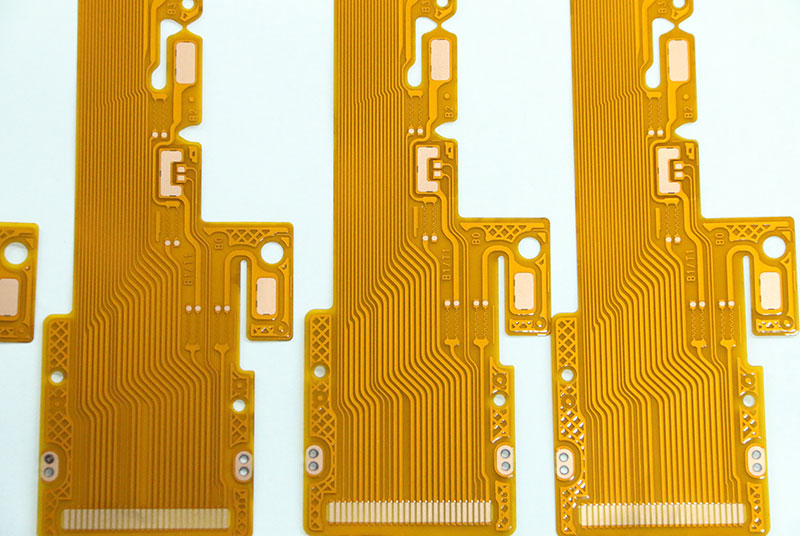
In the world of electronics, the use of flexible printed circuits (FPCs) has grown rapidly due to their lightweight, compact, and durable nature. Among the various types of FPCs, multilayer FPCs stand out as an essential solution for projects that require high-density interconnections and more complex circuit designs. These multilayer structures offer significant advantages, such as improved performance, smaller form factors, and the ability to integrate more components into a single circuit board.
However, choosing the right multilayer FPC for your project can be a complex process that requires a careful assessment of various factors. In this article, we will explore the key considerations that should guide your decision-making process when selecting multilayer FPCs, ensuring that you select the best option for your needs.
1. Understanding Your Project’s Requirements
Before diving into the technical details, it’s important to understand the specific needs of your project. Different applications have different requirements, and selecting an FPC that is tailored to your needs will ensure both performance and cost-effectiveness. Here are some aspects of your project to consider:
Complexity of the Circuit: Are you designing a simple circuit or a more complex one with multiple components that need to be interconnected? Multilayer FPCs allow for more complex designs by integrating multiple layers of circuitry, making them ideal for applications that require high density and functionality.
Space Constraints: If your project involves a device where space is limited, multilayer FPCs are a great option because they allow you to condense multiple layers of circuitry into a compact design.
Flexibility Needs: Will your project require flexible circuits that can bend, twist, or fold? Multilayer FPCs can provide flexibility without compromising on the complexity of the circuit. Ensure that the chosen material supports flexibility if your application demands it.
2. Material Selection
The material used in the construction of the FPC plays a significant role in the overall performance, durability, and reliability of the final product. Here are the primary materials involved in the manufacturing of multilayer FPCs:
Base Material: Most multilayer FPCs use polyimide or PET (Polyethylene Terephthalate) as the base material due to their excellent electrical properties, flexibility, and resistance to heat. Polyimide is particularly preferred in high-temperature applications due to its superior thermal stability.
Conductive Material: Copper is commonly used for the conductive layers in multilayer FPCs because of its excellent electrical conductivity. The thickness of the copper foil can vary depending on the current requirements of the circuit. Thicker copper layers are used for circuits that carry higher currents.
Adhesives: The adhesive used to bond the layers of the FPC must be compatible with both the flexible base material and the copper foil. Epoxy-based adhesives are often used, but the choice of adhesive should also take into account the operating temperature, humidity, and mechanical stress that the FPC will endure.
Soldermask and Surface Finishes: The soldermask protects the copper traces from damage and prevents unintentional short circuits. Surface finishes such as ENIG (Electroless Nickel Immersion Gold) or immersion silver are also important to ensure good solderability and prevent oxidation of the copper traces.
When selecting a multilayer FPC for your project, make sure to evaluate which materials will best suit your needs, taking into consideration factors like thermal performance, flexibility, and cost.
3. Layer Count and Complexity
Multilayer FPCs can range from just a few layers to over a dozen, depending on the requirements of the circuit design. The number of layers you need will depend on several factors:
Number of Connections: The more complex the design, the more layers may be required. For example, a basic multilayer FPC may have three or four layers, while high-performance applications such as telecommunications equipment or advanced medical devices may require up to 12 layers or more.
Signal Integrity: More layers can help improve signal integrity by isolating sensitive traces and reducing electromagnetic interference (EMI). If your project involves high-speed data transmission, more layers may be necessary to minimize crosstalk and other signal issues.
Space Efficiency: The number of layers also impacts the space efficiency of the design. For compact devices, using more layers allows you to pack more functions into a smaller space. However, adding more layers can also increase the cost and complexity of manufacturing.
It’s important to carefully assess the complexity of your design and determine the ideal layer count to meet both technical requirements and cost constraints.
4. Via Technology and Interconnects
Vias are small holes that connect the different layers in a multilayer FPC. There are different types of vias, and choosing the right type is essential for ensuring the reliability and performance of the circuit:
Through-Hole Vias: These vias connect the outermost layers of the FPC and pass through all the layers in between. They are often used for simple designs but may be less effective in high-density applications.
Blind Vias: Blind vias connect one or more inner layers with the outer layers but do not go all the way through the FPC. They are useful in more complex designs where space is limited.
Buried Vias: These vias connect only the inner layers of the FPC and are not visible on the outer layers. They are ideal for high-density designs but require precision during manufacturing.
The choice of via technology impacts both the complexity and the cost of the multilayer FPC. Be sure to select the appropriate via type based on your circuit's design and functional requirements.
5. Electrical and Mechanical Performance Requirements
The electrical and mechanical performance of your multilayer FPC will depend on various factors, including the design, materials, and manufacturing process. Some of the key considerations include:
Current Capacity: If your design requires high currents, you will need to choose a multilayer FPC with thicker copper layers to ensure proper current handling. Be sure to check the copper thickness and confirm that it is adequate for your application.
Signal Speed and Integrity: Multilayer FPCs can help improve signal integrity by reducing interference and maintaining clean, stable signals. In high-speed applications like 5G communication or data processing, the FPC must be designed with tight control over signal impedance, which may require advanced layer stacking and routing.
Flexibility and Durability: If your project requires the FPC to be flexible, make sure that the base material (e.g., polyimide) offers the desired flexibility without compromising the mechanical integrity of the circuit. Additionally, multilayer FPCs must be able to withstand environmental stress, temperature fluctuations, and vibrations. For rugged applications, choose materials and designs that are capable of handling harsh conditions.
6. Manufacturing and Production Lead Time
The manufacturing process for multilayer FPCs is more complex and time-consuming than for simpler single-layer FPCs. It’s important to work closely with the manufacturer to understand production timelines, especially if your project has tight deadlines. Several factors can influence the lead time:
Layer Count and Complexity: Higher layer counts and more complex designs can increase manufacturing time. If your project involves advanced technologies like blind or buried vias, the production process may require more intricate steps.
Material Procurement: The availability of the materials needed for multilayer FPC production can affect lead times. Be sure to consider the availability of the base materials and adhesives in the required specifications.
Testing and Inspection: Rigorous testing is often required to ensure the quality and reliability of the final product. This includes electrical testing, visual inspections, and mechanical stress testing. Ensure that your manufacturer has adequate testing processes in place to verify the FPC meets the required standards.
7. Cost Considerations
The cost of multilayer FPCs can vary significantly depending on factors such as the number of layers, material selection, and manufacturing complexity. While multilayer FPCs offer significant advantages in terms of space-saving and functionality, they also tend to be more expensive than simpler FPC designs. It’s important to balance the need for complexity and performance with your project’s budget. Some cost-saving strategies include:
Design Optimization: Optimize the design to reduce unnecessary layers and features while still meeting the project requirements. Work with your manufacturer to streamline the design and manufacturing process.
Material Sourcing: Source materials that meet the specifications but are more cost-effective. For example, using standard copper thicknesses or polyimide as the substrate material can help reduce costs.
Manufacturing Quantities: Larger production runs often result in lower per-unit costs. If your project involves large-scale production, consider ordering in bulk to take advantage of economies of scale.
Conclusion
Selecting the right multilayer FPC for your project requires a comprehensive understanding of your design’s needs, the materials available, and the manufacturing process. By carefully considering the factors outlined in this guide—such as project requirements, material selection, layer count, via technology, and performance needs—you can make an informed decision that ensures your FPC meets both functional and budgetary goals.
As technology continues to advance, multilayer FPCs will remain an essential part of the electronics industry, offering the flexibility, durability, and high-performance capabilities required by today’s most demanding applications.
For high-quality and reliable multilayer FPCs tailored to your project needs, HECTACH provides expert solutions with advanced design and manufacturing capabilities. Whether you are designing consumer electronics, automotive systems, medical devices, or wearable technology, HECTACH’s multilayer FPCs ensure precision, performance, and durability for a wide range of industries.