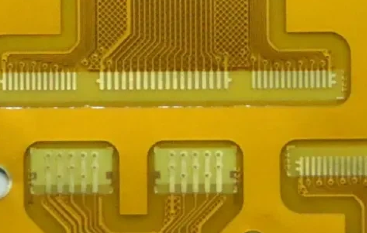
Flexible Printed Circuits (FPC) are a key component in modern electronics, offering unique advantages such as compactness, flexibility, and high-density design. Among the different types of FPC, multilayer FPCs are particularly valuable for more complex and intricate electronic systems. These multilayer circuits consist of several layers of conductive material, all stacked together and bonded with insulating layers. This allows for a more compact design, offering high-density connections and efficient use of space.
The manufacturing process of multilayer FPCs involves a series of precise and meticulous steps. From the initial design to the final product, each stage plays a crucial role in ensuring the FPC meets the required specifications and quality standards. In this article, we will walk you through the step-by-step process of manufacturing a multilayer FPC, highlighting each key stage, the materials used, and the technology behind this advanced circuit production.
Step 1: Design and Planning
The manufacturing process of a multilayer FPC begins long before the actual fabrication. The first step is the design phase, where the circuit layout, specifications, and material choices are decided. Engineers and designers work closely to define the functionality, dimensions, and requirements of the FPC based on the end-use application.
Key Considerations During Design:
Layer Count: The number of layers in the FPC will depend on the complexity of the circuit and the specific application. While basic FPCs have one or two layers, multilayer FPCs can have three or more layers, sometimes up to 12 or more.
Stacking Configuration: Multilayer FPCs can be designed with the layers stacked in different configurations (e.g., alternating conductive and insulating layers). The design needs to ensure that each layer is properly aligned and interconnected.
Material Selection: Materials like polyimide or polyester are typically used for the substrate, while copper is commonly used for conductive traces. The selection of materials must take into account factors like thermal stability, flexibility, and electrical conductivity.
Via and Interconnections: The design must also include considerations for vias (small holes) that connect different layers, ensuring the electrical signals can flow between layers.
Once the design is finalized, it is transferred into a computer-aided design (CAD) file format, which will serve as the blueprint for the subsequent manufacturing stages.
Step 2: Material Preparation
The next step involves the preparation of the materials that will be used to create the multilayer FPC. This involves cutting, cleaning, and sometimes treating the base materials to ensure they meet the specifications.
Key Materials Used:
Flexible Substrate: The flexible base material, usually polyimide or PET (Polyethylene Terephthalate), serves as the foundation for the multilayer FPC. Polyimide is preferred in most cases due to its excellent heat resistance and flexibility.
Copper Foil: Copper foil is used to create the conductive traces on the FPC. The thickness of the copper foil will vary depending on the current requirements and the design of the circuit.
Adhesive or Bonding Layers: Between each layer of copper foil, an adhesive or bonding layer is used to hold the layers together. In multilayer FPCs, these bonding layers are usually made from materials such as epoxy or other thermoset resins.
Once the materials are prepared, they are cleaned thoroughly to remove any dirt, dust, or impurities that could interfere with the manufacturing process.
Step 3: Layer Formation and Lamination
The first major step in the physical creation of the multilayer FPC is the lamination process. This involves layering the copper foil onto the flexible substrate and applying heat and pressure to bond them together.
Process Details:
Lamination of Copper Foil: The copper foil is laminated onto the flexible substrate using an adhesive layer. This is typically done using a process called "hot pressing," where heat and pressure are applied to bond the copper foil securely to the base material. This forms the first layer of the FPC.
Etching the Pattern: After lamination, the copper layer undergoes an etching process, where unwanted copper is chemically removed to leave behind the desired circuit pattern. This creates the electrical traces needed to carry signals through the circuit.
Stacking the Layers: Once the first layer is complete, additional layers of copper and substrate are stacked, bonded together using more adhesive layers, and pressed under heat to create a compact and solid structure.
Step 4: Drilling and Via Creation
The next step in the multilayer FPC manufacturing process is drilling. Vias are tiny holes that allow electrical connections between the various layers of the FPC. These vias are drilled with extreme precision to ensure that the electrical connections are accurate and reliable.
Types of Vias:
Through-Hole Vias: These vias go all the way through the multilayer FPC and connect the outer layers with the internal layers.
Blind Vias: These vias connect one or more inner layers but do not pass all the way through to the outer layer.
Buried Vias: These vias connect only the internal layers and are not visible from the surface.
The drilling process must be done with great precision, as any misalignment of vias can affect the functionality of the FPC. Laser drilling is often used for its high accuracy and ability to drill very small vias.
Step 5: Electroless Plating and Copper Plating
After drilling the vias, the next step is to coat the internal walls of the vias with a thin layer of copper. This process is known as electroless plating.
Plating Process:
Electroless Plating: A thin layer of copper is deposited on the walls of the drilled vias through a chemical reaction. This step ensures that the vias are conductive and can transfer electrical signals between the layers.
Copper Plating: Following electroless plating, the FPC goes through an electroplating process, where copper is added to the entire surface of the board to create the conductive traces for the circuit. This is done to thicken the copper and ensure that the FPC can handle the required electrical current.
Step 6: Lamination of Additional Layers
Once the vias are plated and the conductive traces are in place, additional layers are added to complete the multilayer structure. Each layer of copper foil is laminated with a bonding adhesive, and the entire structure is compressed and heated again to ensure all layers are securely bonded together.
Final Layer Configuration:
Core Layer: This is the central layer of the FPC that often contains the most intricate circuitry. It is typically surrounded by additional layers of copper and insulating material.
Outer Layers: These layers will have the final circuitry and copper traces, which connect the various components of the FPC to the external connectors or devices.
Step 7: Soldermask and Surface Finishing
After all layers are laminated and the vias are connected, the next step is to apply a soldermask to protect the copper traces and ensure that no unwanted connections are made during soldering.
Process Details:
Soldermask Application: A thin layer of soldermask is applied over the surface of the FPC. The soldermask is a protective coating that prevents short circuits and protects the delicate copper traces from damage. It is typically applied in a liquid form and then cured to harden.
Surface Finishing: The final step in the surface preparation process involves applying a surface finish such as gold plating, immersion silver, or ENIG (Electroless Nickel Immersion Gold). This surface finish ensures good solderability and prevents oxidation of the copper traces.
Step 8: Testing and Inspection
Once the multilayer FPC has been fully manufactured, it undergoes a series of rigorous tests and inspections to ensure its functionality and quality. These tests typically include:
Electrical Testing: Ensures that all electrical connections are intact, and the circuit works as intended.
Visual Inspection: A visual check is done to ensure that the vias, traces, and surface finishes are correctly applied.
Mechanical Testing: This checks the flexibility, durability, and overall quality of the FPC, ensuring it meets the required standards for bending, folding, and stress resistance.
Step 9: Final Cut and Packaging
Once the FPC passes all tests, it is cut into the required shape and size. The FPC is then packaged and prepared for shipping to the customer.
Conclusion
The manufacturing of multilayer FPCs is a complex and precise process that involves many stages, from initial design to final testing. With their superior density, flexibility, and reliability, multilayer FPCs are integral to modern electronic systems in industries ranging from consumer electronics to automotive and medical devices. As technology continues to evolve, the manufacturing process of multilayer FPCs will continue to advance, ensuring that these circuits meet the ever-growing demands for smaller, faster, and more efficient electronic devices.