Flexible Printed Circuits (FPCs), or flexible PCBs, have become a cornerstone in modern electronics due to their unmatched flexibility, compactness, and ability to integrate into space-constrained applications. From smartphones and wearables to automotive systems and medical devices, FPCs are essential for driving innovation in these industries. Their ability to bend, twist, and fit into intricate designs makes them ideal for next-generation electronics.
However, the manufacturing of flexible PCBs is a complex, multi-step process that requires precision and expertise. Each stage, from the initial design to material selection, copper plating, and final testing, is crucial for ensuring optimal performance and reliability. This article will walk you through the essential steps involved in producing a flexible PCB, offering a clear understanding of how these circuits are created to meet the specific needs of modern applications.
1. Design and Layout of Flexible PCB
The design and layout phase of a flexible PCB is crucial as it lays the foundation for the entire manufacturing process. The goal of this phase is to convert the circuit schematic into a layout that can be translated into a physical product.
Understanding the Design Requirements
Before starting the design, it is essential to understand the specific requirements of the flexible PCB, including:
Application: What is the end-use of the PCB? Whether it is for consumer electronics, automotive, medical, or aerospace, the design requirements may vary.
Size and Shape: Flexible PCBs are often required to fit into tight spaces, which may involve intricate shapes or small dimensions.
Electrical Performance: Factors such as power consumption, signal integrity, and impedance control need to be considered.
Mechanical Strength: As flexible PCBs bend, the materials used must be durable enough to withstand repeated bending and stress.
Circuit Design Software
Various design software tools are used to create the layout for flexible PCBs. Popular tools include:
Altium Designer: Offers advanced capabilities for multi-layer and flexible PCB design.
Eagle: A simpler tool for smaller designs, often preferred by hobbyists.
KiCad: Open-source software that provides tools for designing flexible circuits.
In this stage, designers define the placement of components, route the electrical traces, and ensure the layout meets the mechanical constraints of the flexible circuit.
Finalizing the Layout
After the design is completed, it’s important to validate the layout using Design Rule Checks (DRC). This ensures there are no violations in terms of trace width, clearance, and layer alignment. Simulation tools can be used to analyze signal integrity and power distribution before finalizing the design.
2. Material Selection for Flexible PCBs
The material selection process is one of the most important steps in flexible PCB manufacturing. The choice of substrate and conductive materials determines the overall flexibility, electrical performance, and durability of the circuit.
Choosing the Right Substrate
The substrate is the base layer of the flexible PCB and must be chosen carefully for flexibility and durability. The most common materials used for flexible PCB substrates are:
Polyimide (PI): The most widely used material for flexible circuits due to its excellent thermal stability, chemical resistance, and flexibility.
Polyester (PET): A more affordable alternative to polyimide, often used in simpler applications where extreme flexibility is not required.
Conductive Materials
The conductive material used in flexible PCBs is typically copper foil, which is laminated onto the substrate. The copper layer carries the electrical signals and provides conductivity. The thickness of the copper foil varies depending on the required current-carrying capacity and performance of the circuit.
3. Photolithography Process
Photolithography is a critical process in PCB manufacturing that transfers the circuit design onto the substrate. This step uses light to expose a photoresist layer, which forms the desired circuit pattern.
Masking and Etching
The first step in photolithography is applying a photoresist layer onto the flexible substrate. The design is then transferred onto the photoresist using a mask, which defines the areas where the copper will be etched away. After exposure, the unexposed areas are developed, leaving behind the circuit pattern on the substrate.
UV Exposure and Development
The photoresist layer is exposed to ultraviolet (UV) light through the mask, hardening the exposed areas. The unexposed parts of the resist are then washed away, leaving a negative image of the circuit design on the substrate.
4. Copper Plating and Etching
After the photolithography process, the next step is to plate the copper and etch the circuit pattern onto the substrate.
Plating the Copper
The flexible substrate is immersed in an electrolytic copper plating solution, where copper ions are deposited onto the exposed areas of the substrate. This copper plating forms the electrical traces and pads required for the PCB’s functionality.
Etching the Circuit Pattern
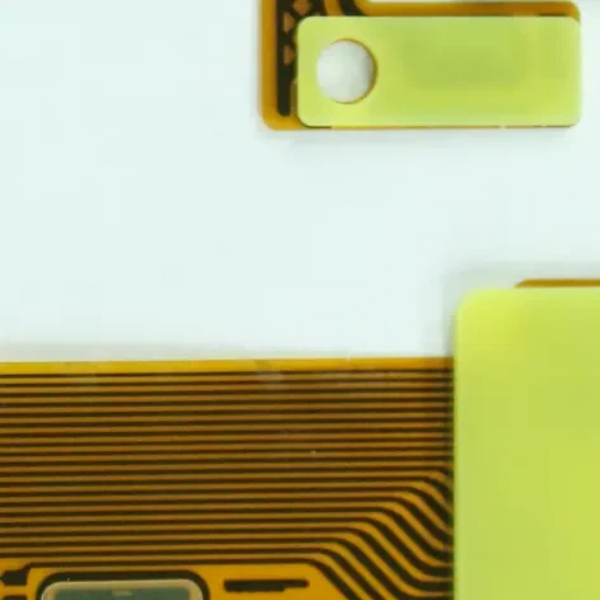
Once the copper plating is complete, the substrate undergoes an etching process where excess copper is removed using a chemical solution. This leaves behind the desired circuit pattern, with only the copper traces remaining.
5. Lamination of Layers
In cases where the flexible PCB requires multiple layers, the lamination process is used to bond these layers together. This adds strength to the flexible circuit while maintaining its flexibility.
Laminating the Flexible Substrate
The lamination process involves bonding the copper-clad layers to the flexible substrate. High heat and pressure are applied to ensure that the layers fuse together. The layers are typically bonded with an adhesive resin that ensures both electrical and mechanical integrity.
Types of Laminates
Different types of laminates can be used for flexible PCBs, including:
Type of Laminate | Description |
Polyimide-based | Excellent flexibility, high thermal resistance, widely used in flexible circuits. |
Epoxy-based | More affordable, often used in simpler designs but offers lower thermal performance. |
Acrylic-based | Provides clear visibility of the circuit and is used in specific applications. |
6. Drilling and Via Formation
Drilling and via formation are essential for creating electrical connections between different layers of a multi-layer flexible PCB.
Drilling Holes for Vias
Drilling precise holes in the flexible PCB is necessary to create vias, which are used to establish electrical connections between different layers. The drilling process involves using a laser or mechanical drill to create small holes.
Via Types for Flexible PCBs
There are several types of vias used in flexible PCBs, including:
Through-hole Vias: Holes that pass entirely through the PCB, connecting both sides.
Blind Vias: Vias that connect the outer layer to one or more inner layers but do not go all the way through.
Buried Vias: Vias that are entirely contained within the inner layers of the PCB.
7. Surface Finish and Solder Masking
The surface finish and solder masking processes protect the flexible PCB and ensure that it is ready for assembly.
Surface Finishing
A surface finish, such as ENIG (Electroless Nickel Immersion Gold) or HASL (Hot Air Solder Leveling), is applied to the PCB. This finish helps protect the copper from oxidation and ensures good solderability during the assembly phase.
Solder Masking
A solder mask is then applied to the PCB to cover all areas except the pads and traces where components will be soldered. This mask protects the circuit from damage and helps prevent solder bridges.
8. Testing and Inspection
Testing and inspection are vital to ensuring that the flexible PCB performs as intended.
Electrical Testing
Electrical testing involves checking the continuity of the traces and verifying that there are no short circuits. This step is typically done using a Flying Probe Tester or an automated In-Circuit Tester.
Visual and Mechanical Inspection
Visual inspection involves examining the PCB for any visible defects, such as misaligned layers or damage to the flexible substrate. Mechanical testing checks the flexibility of the PCB by bending it to simulate real-world conditions.
9. Final Assembly and Packaging
Once the flexible PCB has passed all tests, it is ready for final assembly and packaging.
Integrating Components
Components such as resistors, capacitors, and microchips are integrated onto the flexible PCB using surface-mount technology (SMT). These components are soldered onto the PCB to form a fully functional circuit.
Packaging for Protection
After the assembly process, the flexible PCB is packaged for shipment. This packaging protects the circuit from physical damage and environmental factors during transport and installation.
10. Conclusion
The process of manufacturing a flexible PCB involves several highly specialized steps, each vital to ensuring the final product's performance, flexibility, and durability. From initial design and material selection to precise assembly and rigorous testing, every stage plays a key role in delivering a reliable, functional flexible PCB. Understanding these steps helps designers and engineers create PCBs that meet the exact requirements of their applications.
At HECTACH, we specialize in producing high-quality flexible PCBs tailored to meet the demands of various industries. With our advanced technology and expertise, we ensure that every flexible PCB we create is built to the highest standards of performance and reliability. Whether you need a simple design or a complex multi-layer circuit, our team is here to provide the right solutions. For more information or to discuss your project requirements, feel free to get in touch with us—we are here to assist you every step of the way.
11. FAQ
1. What materials are commonly used in flexible PCBs?
Flexible PCBs commonly use polyimide or polyester substrates and copper foil as the conductive material.
2. Can flexible PCBs be used for high-power applications?
Yes, flexible PCBs can handle high power, but proper material selection is crucial to ensure thermal management and performance.
3. How long does it take to manufacture a flexible PCB?
The production time for flexible PCBs varies depending on the complexity, but it typically ranges from a few days to a couple of weeks.
4. What are the advantages of using flexible PCBs?
Flexible PCBs offer high flexibility, space-saving benefits, and the ability to bend and fold, making them ideal for compact devices.
5. Can flexible PCBs be repaired?
While flexible PCBs can be repaired, the process is more complicated than rigid PCBs and may require specialized techniques.


