Contents
Introduction
What is a Rigid PCB?
What is a Flexible PCB?
Key Differences Between Flexible and Rigid PCBs
Advantages of Flexible PCBs Over Rigid PCBs
Applications of Flexible and Rigid PCBs
Challenges of Using Flexible PCBs
Conclusion
FAQ
Introduction
The evolution of printed circuit boards (PCBs) has brought about innovative solutions for various industries, driven by the need for better performance, versatility, and miniaturization. Two key types of PCBs—flexible PCBs and rigid PCBs—are often used in different applications based on their specific characteristics. These boards are essential components in electronic devices, with each type offering distinct advantages depending on the requirements of the product.
This article explores the differences between flexible and rigid PCBs, focusing on their structural, material, and application-based distinctions. Understanding these differences can help manufacturers and engineers choose the right type of PCB for their projects, whether it’s for a high-frequency application, a custom design, or a product requiring high durability.
What is a Rigid PCB?
Rigid PCBs are the traditional type of printed circuit boards that are commonly found in electronics. They consist of a solid base, typically made from fiberglass or other durable materials, which is not flexible or pliable. These boards are often used in standard consumer electronics, industrial equipment, and computers.
The core structure of a rigid PCB is made up of several layers, including a copper layer for electrical conduction, an insulating layer, and a protective layer that prevents corrosion and mechanical damage. Rigid PCBs are sturdy, reliable, and easier to manufacture in large quantities, making them a cost-effective solution for many standard electronic applications.
Key Characteristics of Rigid PCBs:
Durability: Rigid PCBs are designed to withstand harsh environments and physical stress.
Cost-Effectiveness: Due to their standardized manufacturing processes, rigid PCBs are generally more affordable.
Applications: Common in consumer electronics, automotive systems, computers, and medical devices.
What is a Flexible PCB?
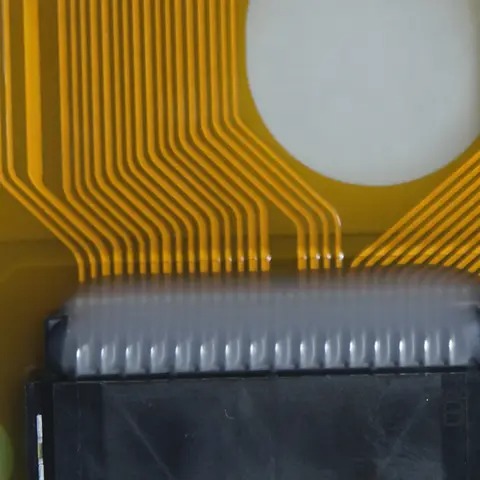
In contrast, flexible PCBs are designed to bend, twist, and conform to the shape of the device they are installed in. These boards use flexible substrates, typically made of materials such as polyimide or polyester, that allow them to be easily shaped. Flexible PCBs are commonly used in compact and high-performance electronic devices that require flexibility in their design, such as smartphones, wearable electronics, and medical equipment.
One of the main advantages of flexible PCBs is their ability to reduce the need for wiring, which in turn minimizes space requirements, improves performance, and enhances the overall form factor of the device.
Key Characteristics of Flexible PCBs:
Flexibility: Flexible PCBs can be bent, folded, and twisted, allowing for more creative designs.
Space-Saving: They enable the reduction of component size and design complexity in compact electronics.
High Performance: Flexible PCBs are ideal for applications requiring high-density circuits, durability, and minimal signal loss.
Key Differences Between Flexible and Rigid PCBs
Flexibility and Structural Differences
The most obvious difference between rigid PCBs and flexible PCBs is their flexibility. Rigid PCBs are designed to maintain a fixed, immovable shape, making them ideal for use in situations where the circuit board will remain static. Flexible PCBs, on the other hand, are made to be bent or twisted without breaking, offering a distinct advantage in compact devices or where limited space is a concern.
While rigid PCBs are often used in situations where the circuit’s position and shape are fixed, flexible PCBs are a go-to choice for applications where the PCB needs to adapt to its environment. For example, flexible PCBs are commonly used in wearables, where the PCB must conform to the wrist's shape.
| Feature | Rigid PCB | Flexible PCB |
| Flexibility | No flexibility | Flexible, bendable |
| Shape | Fixed | Adjustable, conforming |
| Use in Compact Devices | Less suited | Ideal for tight spaces |
| Durability | High, but inflexible | High, flexible |
Material Composition and Manufacturing Process
The materials used in rigid PCBs are generally more rigid and durable, such as fiberglass-based composite materials (FR4) and epoxy resins. These materials provide good mechanical strength and stability, making rigid PCBs ideal for high-stress applications.
On the other hand, flexible PCBs are made from more pliable materials, such as polyimide or polyester. These materials provide the flexibility needed for the board to bend without compromising its electrical properties. The manufacturing process for flexible PCBs is more complex, requiring precise control to ensure that the flexibility does not interfere with the functionality or durability of the circuits.
Advantages of Flexible PCBs Over Rigid PCBs
Custom Flexible PCB Design
One of the key advantages of flexible PCBs is their ability to be custom-designed to fit specific shapes and sizes. Whether it's for consumer electronics, medical devices, or aerospace applications, Custom flexible PCB design enables engineers to create highly tailored solutions that meet unique requirements. This customization allows for the integration of circuits into compact spaces that rigid PCBs would not accommodate.
Flexible PCB for High-Frequency Applications
Another advantage is that flexible PCBs often perform better in high-frequency applications. These boards can be engineered with low-loss materials and optimized designs to ensure minimal signal degradation. Flexible PCB with low signal loss is particularly important in communications equipment, data transmission, and high-speed digital circuits.
Additionally, Flexible PCB with high thermal conductivity is designed to handle heat dissipation in electronics, making them suitable for high-power devices that need to manage temperature more efficiently.
Applications of Flexible and Rigid PCBs
Where Flexible PCBs Shine
Flexible PCBs are especially useful in applications where space, weight, and design flexibility are critical. Devices such as smartphones, wearables, and medical implants require the flexibility and small form factor that flexible PCBs provide. Moreover, Flexible PCB with high durability ensures that these boards can handle the wear and tear of everyday use without compromising performance.

Rigid PCBs in Industrial and Consumer Electronics
In contrast, rigid PCBs are preferred in applications where the circuit board needs to remain fixed in one position, such as in TVs, computers, and automotive systems. Rigid PCBs are typically used in environments where the electronic components are less likely to undergo movement or flexing.
Challenges of Using Flexible PCBs
Despite their advantages, flexible PCBs do come with challenges. Their manufacturing process can be more expensive due to the specialized materials and design requirements. Additionally, while flexible PCBs are incredibly durable, their long-term performance can be affected by factors like repeated bending and exposure to extreme conditions.
Conclusion
The choice between flexible PCBs and rigid PCBs largely depends on the specific needs of the application. Flexible PCBs offer remarkable versatility, space-saving designs, and the ability to handle high-frequency applications, while rigid PCBs are more cost-effective, durable, and ideal for standard electronics. Understanding the key differences between these two types of PCBs allows manufacturers and engineers to make informed decisions that can impact product performance, size, and cost.
FAQ
Q1: Can flexible PCBs be used in high-frequency circuits?
Yes, flexible PCBs are highly suitable for high-frequency applications due to their low signal loss and ability to handle high-speed data transmission effectively.
Q2: Are flexible PCBs more expensive than rigid PCBs?
Generally, yes. The manufacturing process for flexible PCBs is more complex and requires specialized materials, making them more expensive than rigid PCBs.
Q3: What industries use flexible PCBs?
Flexible PCBs are used in industries like consumer electronics, medical devices, automotive, aerospace, and wearable technology, where space-saving and flexibility are crucial.
Q4: Can flexible PCBs be customized?
Absolutely. One of the major advantages of flexible PCBs is the ability to customize them for unique designs, shapes, and sizes, meeting specific application requirements.


